

Cheap travel dominates modern marketing. Airlines promote ultra-low fares. Hotels advertise irresistible discounts. Travel booking sites highlight deals that seem impossible to ignore. As a result, many travelers believe they can plan a trip quickly, cheaply, and without complications.
However, reality often unfolds differently.
After booking, travelers frequently encounter baggage fees, seat charges, resort fees, restrictive policies, and unexpected limitations. Although each cost may appear small on its own, the total often exceeds the original budget. This pattern happens repeatedly, not because travelers make poor choices, but because the travel industry structures prices to reveal costs gradually.
For that reason, this guide exists.
At Cheap Travel Hub, the focus remains clarity rather than hype. This evergreen pillar explains how airlines, hotels, and travel booking platforms design prices, where hidden costs usually appear, and how travelers can make informed decisions without stress or regret.
To begin understanding the most common surprises, explore ➡️ Hidden Travel Costs No One Budgets For, which outlines the expenses travelers often overlook.
How the Travel Industry Actually Makes Money
Before travelers can understand cheap travel, they must understand how the travel industry earns profit. Many people assume companies earn money mainly from airfare and hotel room rates. In practice, base prices attract attention, while add-ons generate revenue.
The industry relies on price fragmentation.
Instead of offering one transparent price, companies divide costs into multiple components. Each component feels optional at first, yet becomes necessary later. Because of this structure, travelers commit emotionally before seeing the full cost.
This approach benefits sellers in several ways. First, it lowers resistance at the booking stage. Second, it creates multiple upsell opportunities. Finally, it shifts financial risk to the traveler rather than the company.
For example, an airline may advertise a low fare that excludes baggage and seat selection. Similarly, a hotel may display a nightly rate that omits mandatory resort fees. Meanwhile, booking platforms emphasize urgency while placing exclusions deep in the fine print.
As a result, travelers receive incomplete information rather than false information.
To explore how these mechanisms work in practice, read ➡️ Why Flight Prices Change Every Time You Search and ➡️ Why Hotels Charge More at Checkout Than Booking.
Airlines: What They Don’t Tell You About Cheap Flights
Airlines use advanced pricing systems to maximize revenue across routes. While travelers see simple prices, complex algorithms operate behind the scenes.
Most importantly, the first price displayed rarely reflects the final amount paid.

Base Fare vs Total Cost
A base airfare often excludes items that travelers consider essential. These exclusions typically include carry-on baggage, checked baggage, seat selection, flexibility, and priority boarding. Because many travelers need at least one of these services, the final price increases quickly.
Airlines design this structure intentionally. By presenting a low base fare, they capture attention. Later, they offer upgrades that remove restrictions. Over time, the total cost rises without changing the flight itself.
This strategy appears most clearly in restrictive fare classes. For a detailed breakdown, review ➡️ What Airlines Don’t Tell You About Basic Economy.
Why Restrictions Exist
Restrictions serve a strategic purpose. Airlines use them to guide purchasing behavior. When travelers face discomfort or uncertainty, they often choose to pay more for peace of mind.
Therefore, restrictions act as incentives rather than punishments. A traveler who wants flexibility or comfort pays more not for additional services, but to remove limitations.
Consequently, a flight that starts as “cheap” may cost significantly more by checkout.
How Dynamic Pricing Really Works
Many travelers believe airlines adjust prices based on individual searches. In reality, airlines price seats based on inventory and demand forecasts.
Airlines divide seats into pricing tiers. As lower-priced seats sell out, higher-priced tiers replace them. Additionally, demand patterns, seasonal trends, and route profitability influence how quickly prices change.
Repeated searches do not trigger price increases on their own. Instead, prices reflect real-time availability. To understand this process more clearly, see ➡️ Why Flight Prices Change Every Time You Search.
Overbooking Is a Strategy, Not a Mistake
Airlines frequently sell more tickets than available seats. This practice reduces losses caused by no-shows. When too many passengers arrive, airlines compensate affected travelers according to regulations.
However, many travelers do not understand their rights or eligibility. Because of this gap, airlines often retain the advantage. For clarity, read ➡️ What Airlines Don’t Tell You About Overbooking.
Hotels & Accommodations: Where Cheap Quietly Becomes Expensive
Hotels approach pricing differently from airlines. Rather than front-loading restrictions, hotels rely on charges that appear after booking.

Resort Fees and Mandatory Charges
Resort fees represent one of the most common hotel surprises. These fees often cover amenities such as internet access, gym usage, or pool towels. Although hotels charge them nightly, search results frequently exclude them.
As a result, travelers underestimate total accommodation costs. Over a multi-night stay, these fees add up quickly. To understand how they work, read ➡️ What Hotels Don’t Tell You About Resort Fees.
Booking Direct vs Booking Through OTAs
Hotels encourage direct bookings by promising better rates or exclusive perks. While direct booking may offer advantages such as flexible cancellations or loyalty points, third-party booking platforms sometimes provide better overall value.
For instance, OTAs may include discounts, bundled credits, or cashback offers. Therefore, the best choice depends on total value rather than marketing claims. A transparent comparison appears in ➡️ Booking Direct vs OTAs: What Hotels Don’t Explain.
How Room Upgrades Actually Work
Hotels manage inventory carefully. Room upgrades depend on factors such as occupancy rates, length of stay, booking flexibility, and check-in timing.
Travelers who understand these variables improve their chances of receiving upgrades without paying extra. For practical guidance, see ➡️ Hotel Room Upgrade Secrets You’re Allowed to Ask For.
Budget Travel Myths That Cost Travelers More
Budget travel content appears everywhere online. Unfortunately, much of it lacks context. Without understanding how costs accumulate, travelers may spend more while attempting to save.

Myth One: Budget Airlines Are Always Cheaper
Budget airlines remove services from the base fare and charge for them individually. Once travelers add baggage, seat selection, and flexibility, the total often rivals or exceeds full-service airlines.
For a realistic comparison, read ➡️ Is Flying Budget Really Cheaper?.
Myth Two: Influencers Pay the Same Prices
Many influencer trips involve sponsorships, hosted stays, or complimentary upgrades. As a result, the prices shown rarely reflect what regular travelers pay.
This disconnect creates unrealistic expectations. To understand the difference, see ➡️ What Budget Travel Influencers Don’t Tell You.
Myth Three: Hacks Replace Planning
Travel hacks can help in specific situations. However, without planning, hacks often fail. Planning provides context, while hacks offer isolated tactics.
Because of this, planning consistently delivers better results. Learn how unintentional overspending happens in ➡️ How Travelers Overspend Without Realizing It.
Travel Insurance, Refunds, and the Fine Print
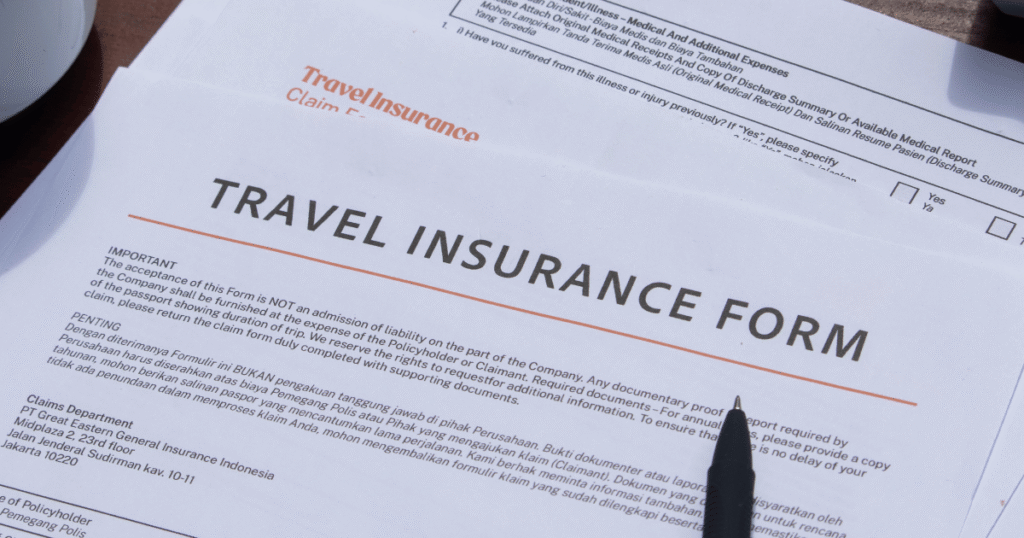
Travel protection remains one of the most misunderstood aspects of travel. Many travelers assume coverage without reviewing terms.
Common Misunderstandings
Refundable fares may provide credit instead of cash. Credit card travel insurance often includes strict eligibility requirements. Additionally, many policies exclude disruptions such as strikes or pre-existing conditions.
Since insurance operates as a contract, understanding terms before purchase prevents frustration later. For detailed explanations, review:
➡️ What Travel Insurance Companies Don’t Clearly Explain
➡️ Airline Refund Policies: What You’re Actually Entitled To
How to Travel Cheaply the Right Way
Cheap travel does not require sacrificing comfort blindly. Instead, it requires intentional spending.
Choose Destinations by Value
High-demand destinations command higher prices. Travelers who focus on value rather than popularity often enjoy similar experiences at lower cost by choosing alternative locations or traveling during shoulder seasons.
Secure Flights First
Flights fluctuate more aggressively than accommodations. By securing airfare early, travelers create a stable cost foundation for the rest of the trip.
Compare Total Cost, Not Entry Price
Base prices hide the truth. Total cost reveals real value. Therefore, travelers should always compare complete pricing before booking.
Pay for Flexibility Strategically
Flexibility matters most when plans remain uncertain. Paying for it intentionally prevents paying twice later.
Use Tools That Reveal Costs
Transparency beats guesswork. Tools that show trade-offs and total cost empower smarter decisions. For a deeper explanation, read ➡️ The True Cost of Traveling Cheap.

Common Travel Mistakes That Quietly Drain Budgets
Many travelers overspend without realizing it. Often, small oversights accumulate into large expenses.
Common mistakes include booking non-refundable fares too early, missing cancellation deadlines, paying for overlapping protections, and underestimating local transportation and food costs.
Avoiding these mistakes can save hundreds per trip. A full breakdown appears in ➡️ Common Travel Mistakes That Cost Hundreds.
Frequently Asked Questions: The Truth About Cheap Travel
❓ Is cheap travel really cheaper in the long run?
Not always. Cheap travel often appears affordable upfront, but becomes expensive once baggage fees, seat selection, resort fees, taxes, and restrictions are added. The final cost is frequently much higher than the advertised price.
❓ Why do airlines and hotels hide fees instead of showing total prices?
Airlines and hotels use fragmented pricing to stay competitive in search results. By advertising lower base prices and separating add-ons, they attract more clicks while generating revenue through fees revealed later in the booking process.
❓ Are budget airlines worse than full-service airlines?
Budget airlines are not worse — they are structured differently. They offer low base fares but charge for nearly everything else. For travelers who understand the trade-offs, budget airlines can still offer value, but they are rarely the cheapest option once add-ons are included.
❓ Why do hotels add resort fees at checkout?
Resort fees allow hotels to advertise lower nightly rates while charging mandatory fees separately. These fees are often excluded from search results and only appear during checkout or after booking, making them easy to overlook.
❓ Is booking directly with airlines or hotels always cheaper?
No. Booking direct may offer better flexibility or perks, but third-party booking sites sometimes provide better total value. The key is comparing total cost, cancellation rules, and included benefits, not just headline prices.
❓ Do travel influencers really travel as cheaply as they claim?
Most travel influencers receive discounts, sponsorships, free stays, or affiliate commissions. Their costs are often significantly lower than what regular travelers pay, which can create unrealistic expectations about “cheap travel.”
❓ How can travelers avoid hidden airline and hotel costs?
Travelers can avoid hidden costs by comparing total prices, reading fare and room restrictions carefully, budgeting for add-ons, and using planning tools that show real costs instead of just base prices.
👉 Learn how flight price changes connect to other hidden expenses in Hidden Travel Costs No One Budgets For (+ How to Avoid Them)
Final Thoughts: Cheap Travel With Clarity
The travel industry optimizes for profit. That reality does not make it unethical, but it does require informed travelers.
Cheap Travel Hub exists to provide transparency, context, and confidence. When travelers understand pricing structures and hidden costs, cheap travel becomes predictable and sustainable rather than stressful.
Ultimately, clarity—not shortcuts—makes travel truly affordable.
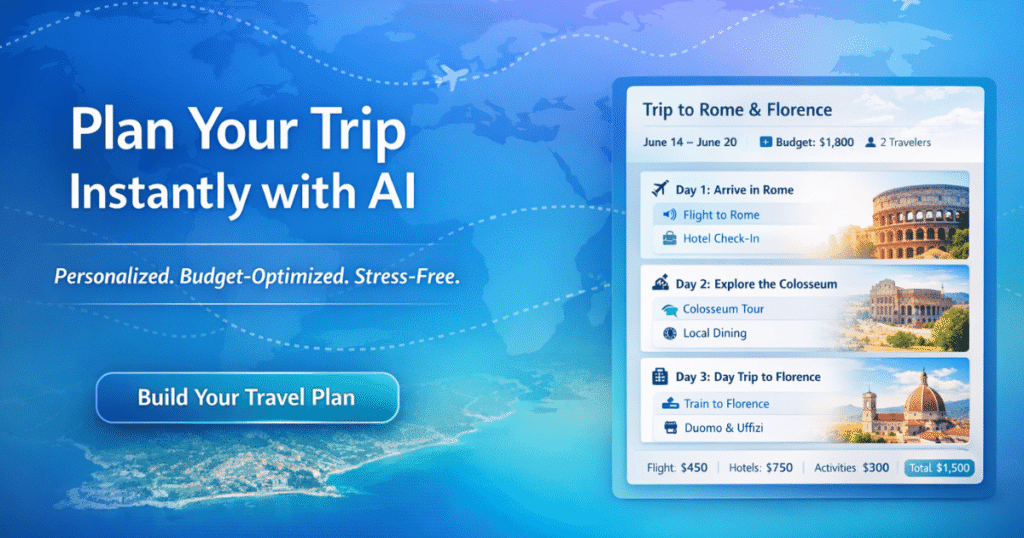
Plan Smarter. Avoid Hidden Costs. Travel With Clarity.
Most travel tools show prices —they don’t show restrictions, trade-offs, or the real total cost.
Our AI Travel Planner helps you:
See the true cost of your trip before booking
Identify hidden airline and hotel fees in advance
Match destinations to your real budget, not marketing hype
Build flexible itineraries that prevent costly mistakes
No pressure, no gimmicks, just clear travel planning with no surprises.
👉 Create Your Personalized Travel Plan in Minutes → Start Planning With AI
Clarity first. Confidence always.
This travel guide is for informational purposes only. Prices, routes, and availability may change. Always verify local regulations, safety conditions, and booking details before traveling. Some links on this page may be affiliate links, which help support CheapTravelHub at no extra cost to you. See Disclaimer.