Are Airlines Watching You?
You search for a flight.
The price looks reasonable.
You come back an hour later, and suddenly it’s more expensive.
Most travelers assume one of two things:
Airlines are tracking them personally
Clearing cookies will magically lower prices
Both ideas miss the bigger picture.
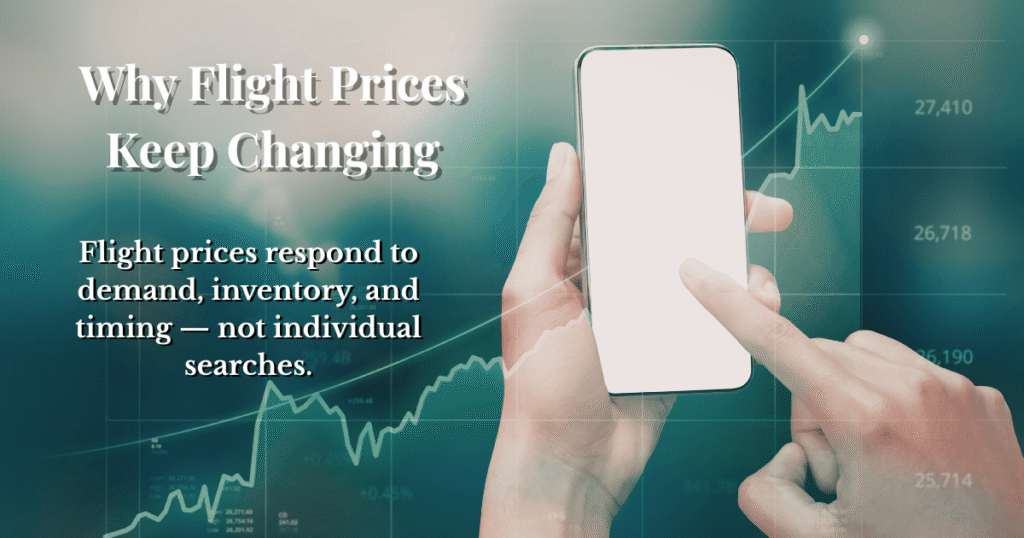
Flight prices do change constantly — but not because airlines are spying on individual travelers. Prices shift because airline pricing systems are designed to respond instantly to changes in demand, inventory, and risk.
This guide explains why flight prices change every time you search, what’s actually happening behind the scenes, and how to stop price fluctuations from wrecking your travel budget.
👉 What They Don’t Tell You About Travel (Hidden Costs & Truths)
The Truth About Airline Pricing (Short Answer)
Flight prices change because airlines use dynamic pricing models that constantly adjust fares based on:
Remaining seat inventory
Booking patterns and demand
Time until departure
Fare class availability
Route profitability
Each search doesn’t target you — it updates the system’s understanding of demand.
Understanding this difference changes how you book forever.
How Airline Pricing Systems Really Work
Airlines don’t sell “one price per seat.”
They offer tiers of fares, each with its own set of rules.
Seat Inventory Is Divided Into Fare Buckets
On a single flight, there may be:
10 seats at a low promotional fare
20 seats at a mid-tier fare
50 seats at higher flexible fares
When a fare bucket sells out, the price jumps — even if the plane is far from full.
That’s why prices rise suddenly without warning.
Why Prices Rise After You Search (The Real Reason)
It’s Not Personal — It’s Predictive
Every search contributes to demand signals:
Time of day searches spike
Route popularity increases
Booking velocity changes
When demand accelerates, pricing algorithms respond instantly.
You didn’t cause the increase alone — you arrived at the moment demand crossed a threshold.
👉 Hidden Travel Costs No One Budgets For (How to Avoid Them)
Why Clearing Cookies Doesn’t “Fix” Prices
The cookie myth persists because it sometimes appears to work.
Here’s the reality:
Cookies may affect localized offers, not base fares
Prices are driven by inventory, not browsing history
Searching from another device often shows the same price
What actually changes prices is fare availability, not tracking.
The Role of Time in Price Changes
Days Before Departure Matter More Than Searches
As departure approaches:
Cheap fare buckets disappear
Flexibility becomes valuable
Airlines hedge against empty seats or last-minute demand
This is why prices can:
Rise sharply weeks before departure
Drop slightly during low-demand windows
Spike is again close to departure
Timing beats tricks.

Why Prices Change Between Devices & Platforms
You may see different prices when:
Switching booking sites
Using airline apps vs browsers
Searching internationally
Reasons include:
Currency conversion differences
Platform-specific markups
Fare caching delays
These differences are structural, not personal.
Why Flights Get More Expensive at Checkout
Some increases aren’t airfare at all.
Hidden contributors include:
Baggage fees
Seat selection costs
Payment method surcharges
Currency conversion fees
This creates the illusion that the “flight price” changed — when the base fare didn’t.
👉 What Airlines Don’t Tell You About Basic Economy
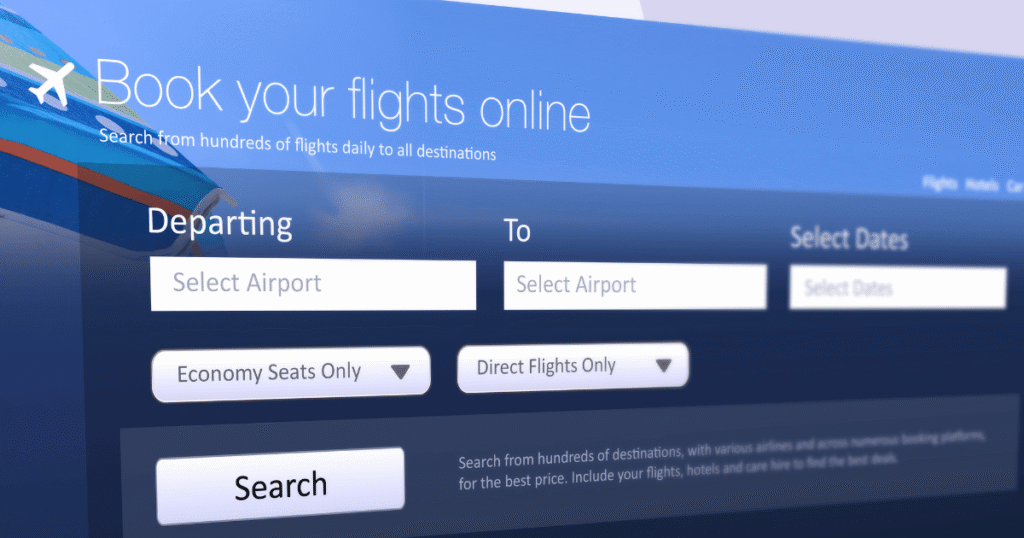
Why Cheap Flights Disappear Fast
Cheap flights aren’t meant for everyone.
Airlines intentionally:
Release limited low fares
Test demand sensitivity
Upsell flexibility
When a cheap fare disappears, it often means:
That price achieved its purpose
Demand justified the next tier
Not that you missed a secret deal.
Overbooking & Price Volatility
Airlines expect a percentage of passengers not to show.
Overbooking allows airlines to:
Maintain revenue stability
Reduce empty seats
Offset discount losses
As overbooking risk increases, so does pricing volatility.
👉 What Airlines Don’t Tell You About Overbooking
Why “Best Day to Book” Advice Keeps Changing
There is no universal best day.
What does matter:
Route popularity
Seasonality
Advance purchase windows
Airline revenue cycles
Static advice fails because pricing is contextual, not fixed.
Budget Airline Pricing Volatility (Why It Feels Worse)
Budget airlines amplify price swings because:
Base fares are ultra-low
Add-ons generate most revenue
Inventory is less flexible
Prices feel unpredictable because the base fare is artificially low.
👉 Is Flying Budget Really Cheaper?
How to Track Flight Prices the Smart Way
Forget constant searching.
Smarter tactics:
Use price alerts
Track ranges, not exact prices
Compare total cost, not base fare
Lock flights before accommodations
This reduces stress and overspending.
The Cost of Waiting Too Long
Waiting for a “perfect” price often:
Eliminates cheaper fare buckets
Forces upgrades
Reduces flexibility
The goal isn’t the lowest possible price — it’s the best price at the right time.
How Smart Travelers Beat Price Volatility
Experienced travelers:
Accept price movement as normal
Budget for ranges, not exact numbers
Prioritize refundable options strategically
Avoid emotional booking decisions
This mindset saves more money than any hack.

Flight Price Changes: Common Questions Explained
❓ Do flight prices really go up because I keep searching?
No. Flight prices do not increase because airlines are tracking individual users. Prices change due to seat availability, demand patterns, and fare class inventory, not because of repeated searches by one person. When demand increases or a cheaper fare bucket sells out, the price updates automatically for everyone.
❓ Does clearing cookies or using incognito mode lower flight prices?
Clearing cookies or using incognito mode rarely affects flight prices. Airline pricing is driven by inventory and demand, not browsing history. While you may occasionally see small differences due to currency or platform caching, incognito mode does not reliably unlock cheaper fares.
❓ Why do flight prices change within minutes or hours?
Flight prices can change quickly because airline pricing systems update in real time. When seats in a specific fare tier are sold, the system moves to the next available price level. High-demand routes and peak travel periods experience more frequent price changes.
❓ Is there a best day or time to book flights?
There is no universal best day or time to book flights. Prices depend on the route, season, demand, and how far in advance you book. Instead of focusing on a specific day, travelers should track price ranges, set alerts, and book when the fare fits their budget and flexibility.
❓ Why does the price change at checkout even if the fare looked the same?
Price increases at checkout often come from add-on costs, not airfare changes. These include baggage fees, seat selection, payment surcharges, or currency conversion fees. Always review the full breakdown before completing your booking to avoid surprises.
❓ Do flight prices go down if I wait longer?
Sometimes, but not reliably. While prices may dip during low-demand periods, waiting too long often results in higher fares as cheaper fare buckets sell out. The best approach is to book when the price is reasonable and flexibility still exists, rather than waiting for a perfect deal.
❓ Why do flight prices differ between booking sites?
Different booking platforms may show slightly different prices due to service fees, currency conversions, fare caching, or negotiated rates. These differences are structural and not related to the traveler personally. Always compare total cost, not just the headline price.
❓ How can I avoid overpaying when flight prices keep changing?
The most effective way to avoid overpaying is to:
- Track prices with alerts
- Compare total trip cost, not just airfare
- Understand fare restrictions
- Use flexible dates and routes when possible
Tools that show total cost and trade-offs — like a trip planner — help remove guesswork.
👉 Learn how flight price changes connect to other hidden expenses in Hidden Travel Costs No One Budgets For (How to Avoid Them)
🎁 FREE TRAVEL GUIDE
Before you book another flight:
👉 Download our FREE Travel Guide
Learn how to spot hidden airline fees, avoid common booking mistakes, and plan smarter before prices change again.

🤖 AI TRAVEL PLANNER
Plan Smarter When Prices Won’t Sit Still
Flight prices change — but bad planning doesn’t have to.
Our AI Travel Planner helps you:
Compare real total flight costs
Identify risky booking windows
Choose flexible routes and dates
Avoid common airline pricing traps
👉 Build Your Personalized Trip Plan in Minutes –> No guessing. No stress. Just clarity.

Final Thoughts: Price Changes Aren’t the Enemy
Flight prices don’t change to trick you.
They change because airlines sell risk, flexibility, and timing — not just seats.
When you understand the system, you stop reacting emotionally and start booking confidently.
👉 Common Travel Mistakes That Cost Hundreds
Travel prices, availability, and airline policies change frequently and vary by route, carrier, and traveler circumstances. This content is for informational purposes only and does not guarantee pricing outcomes. Always verify flight details directly with airlines and booking platforms before purchasing.
Reference Footnote
Pricing structures described are consistent with publicly disclosed airline revenue management practices and consumer travel industry analyses.
Travel prices, availability, and airline policies change frequently and vary by route, carrier, and traveler circumstances. This content is for informational purposes only and does not guarantee pricing outcomes. Always verify flight details directly with airlines and booking platforms before purchasing. Some links on this page may be affiliate links, which help support CheapTravelHub at no extra cost to you. See Disclaimer.